Things to do on Bruny Island
Enjoy the coastlines, beautiful beaches, towering cliffs, and abundant wildlife—only at Bruny Island. Whether you’re planning a day trip from Hobart or a self-driven adventure, this Tasmanian town has something for everyone. Explore beautiful viewpoints, historical sites, and try local food. Read more to find the best things to do on Bruny Island and to make the most of your trip.
How to make the most of your Bruny Island trip
- Hiking and bushwalking: Explore the island’s rugged trails, including the Fluted Cape Track, Cape Queen Elizabeth Walk, and Mount Mangana Trail.
- Wildlife spotting: Head to The Neck Game Reserve at dusk for penguins and wallabies. Inala Nature Reserve is great for birdwatching, and Cape Bruny is a hotspot for seasonal whale sightings.
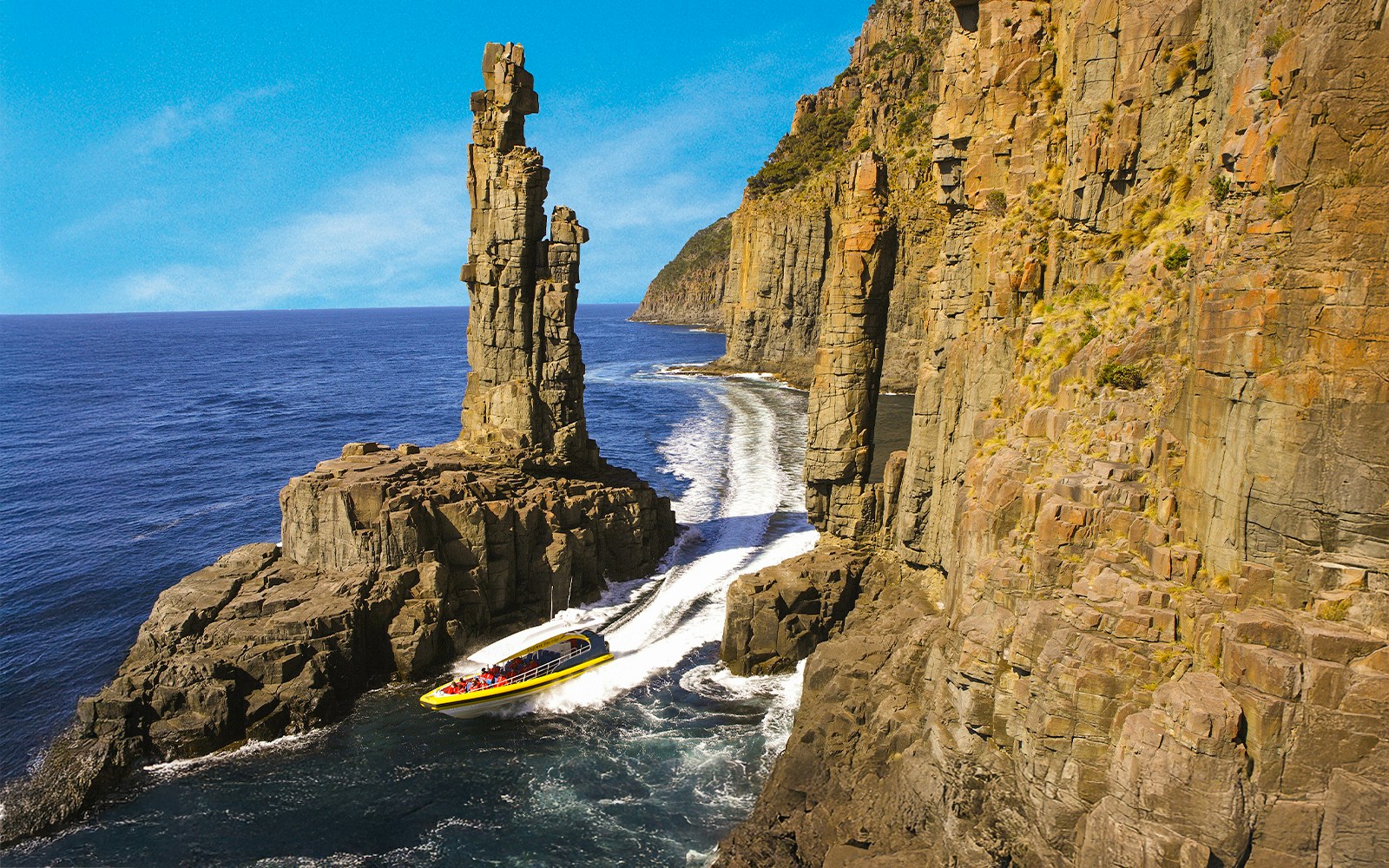
- Coastal cruises: Take a scenic boat tour to see towering sea cliffs, sea caves, and spot abundant marine wildlife.
- Fishing and water sports: Cast a line in Adventure Bay or try your hand at kayaking or snorkelling in the crystal-clear waters.
Top attractions of Bruny Island
The Neck Lookout
One of Bruny Island’s most iconic spots, with panoramic views of the isthmus connecting North and South Bruny. Climb the wooden staircase for ocean views and stunning sunset photo opportunities

Tips for visiting Bruny Island
- Best time to visit: Summer (December to February) is perfect for swimming, hiking, and enjoying long daylight hours. Autumn (March to May) is quieter and ideal for wildlife spotting.
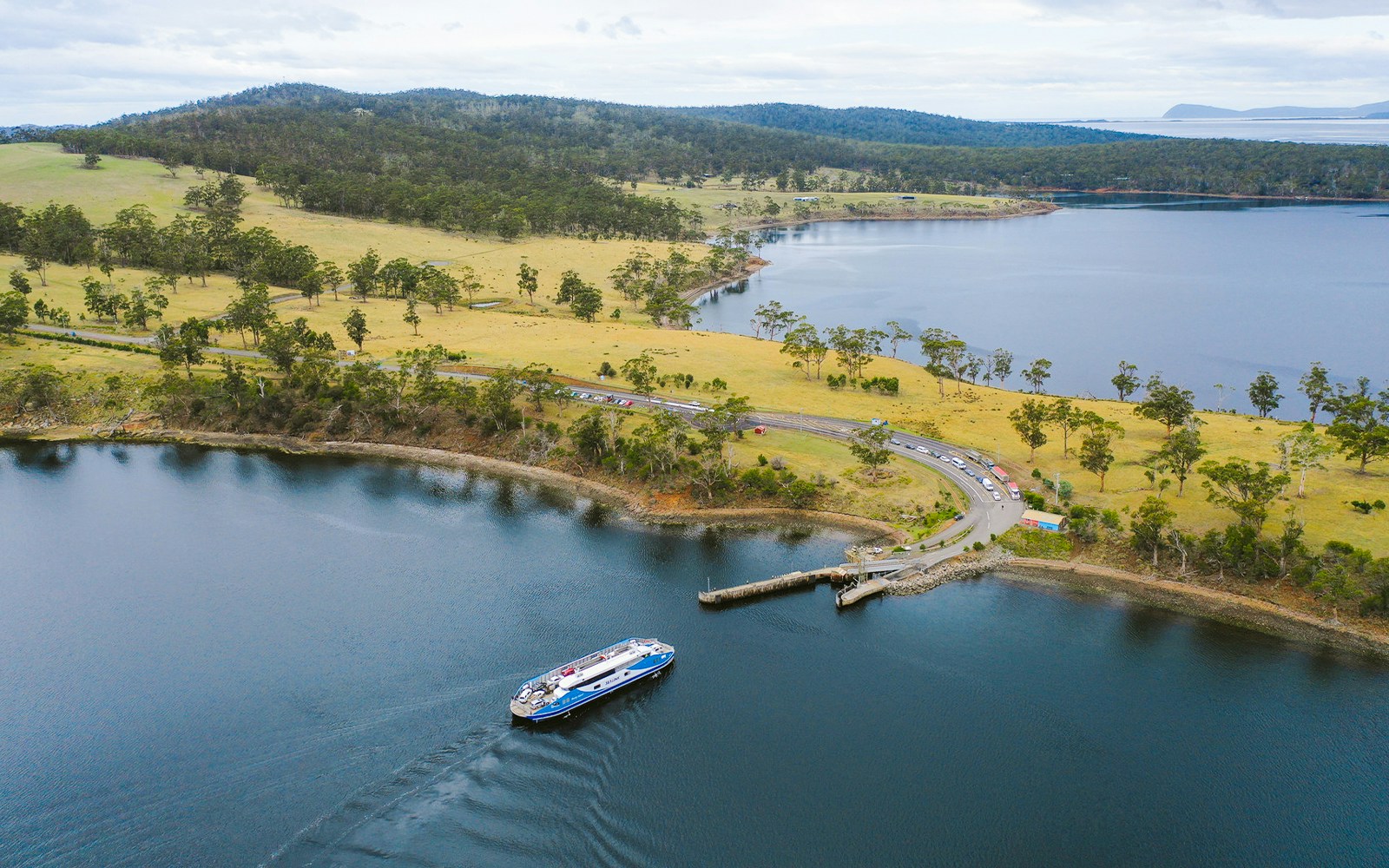
- Getting there: Bruny Island is a short 15-minute ferry ride from Kettering, about 30 minutes south of Hobart. Ferries run frequently, but queues can build during weekends and holidays.
- Plan your route: Check ferry schedules in advance and download offline maps—mobile coverage is patchy. Driving from The Neck to Cape Bruny can take over an hour, so plan your stops accordingly.
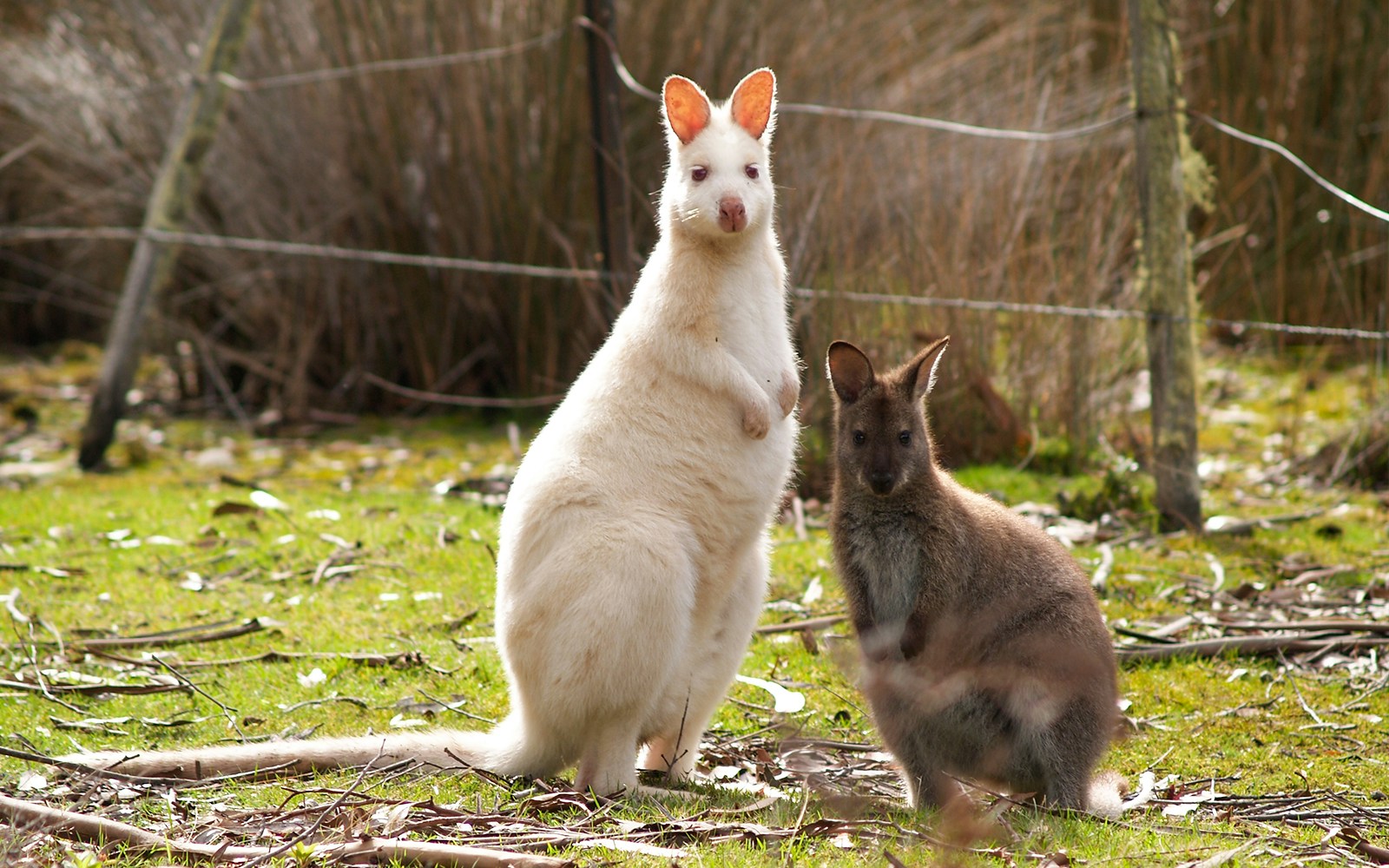
- Respect the wildlife: Bruny is home to white wallabies, penguins, and rare birds. Observe from a distance, avoid loud noises, and never feed animals.
- What to bring: Dress in layers—weather changes quickly. Bring sunscreen, a reusable bottle, good walking shoes, and binoculars if you’re keen on birdwatching or spotting whales.
Frequently asked question about Bruny Island
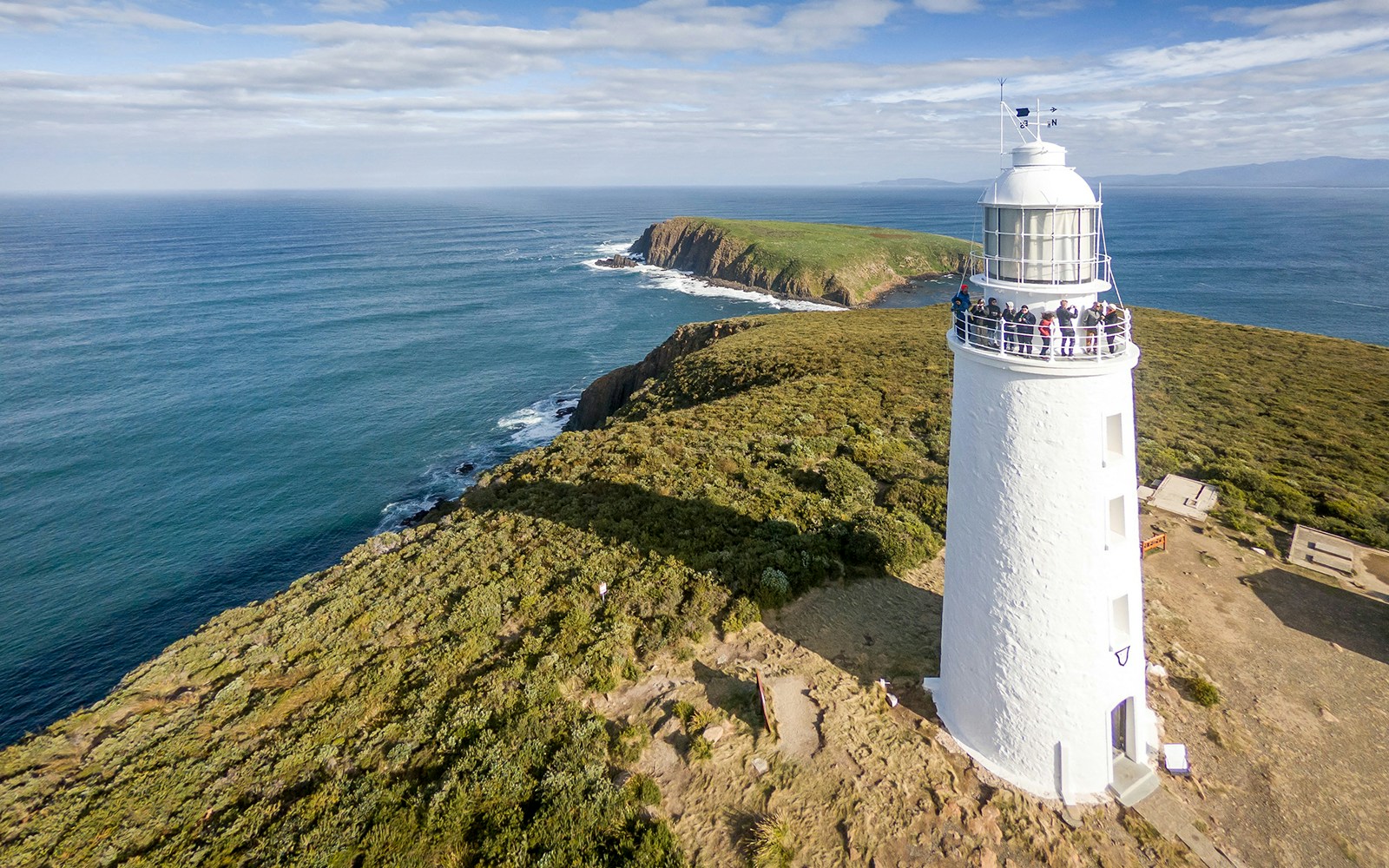
Must-visit spots include the dramatic coastline of The Neck Lookout, the lush rainforests of South Bruny National Park, and the historic Cape Bruny Lighthouse. Don't miss the pristine beaches, wildlife spotting opportunities, and the incredible coastal rock formations.
To reach Bruny Island, you’ll first need to take a 30-minute drive from Hobart to Kettering, followed by a 20-minute ferry ride to the island. The ferry operates multiple times a day, but it’s best to arrive early during peak seasons to avoid long waits.
While Bruny Island is beautiful year-round, the warmer months from November to April are ideal for outdoor adventures, wildlife encounters, and enjoying the beaches. For those looking to avoid crowds, consider visiting in the off-season when the island is quieter, and the wildlife is more active.
Yes, camping is allowed in designated areas within the South Bruny National Park. You’ll find basic facilities, but it's a good idea to come prepared as amenities can be limited.
Bruny Island hosts several local events throughout the year, including art festivals, food and wine tastings, and wildlife conservation days. Check local listings for the latest updates.
Yes, you can bring your car on the ferry from Kettering to Bruny Island. Having a vehicle is highly recommended as it allows you to explore the island’s diverse landscapes at your own pace.
A full day is enough to cover the main highlights, but an overnight stay allows you to experience the island’s tranquil evenings and stunning sunrises without feeling rushed.
Pets are generally allowed, but they must be kept on a leash in national parks and other wildlife-sensitive areas. Check specific accommodation rules before bringing your furry friend.
While some parts of the island are rugged, there are accessible viewing platforms at The Neck and several accessible accommodation options.


